
Padiham Working Men's Club restoration complete after £124,331 funding boost
The restoration, supported by Burnley Council with £124,331 in funding from the UK Shared Prosperity Fund, has focused on the building's frontage, bringing back traditional features and improving its appearance within Padiham Conservation Area.
One of Padiham’s most historic clubs has undergone a major restoration.
Padiham Working Men’s Club, better known locally as The Top Club, dates back to 1876 and has been a familiar part of the town centre for 150 years.
Originally built as the headquarters of the Grand United Order of Odd Fellows, the building has been used as a club and bar since the 19th century.
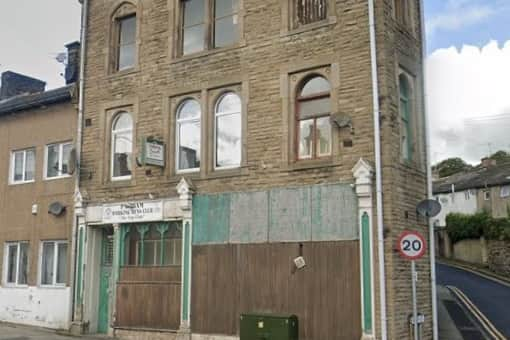

The restoration, supported by Burnley Council with £124,331 in funding from the UK Shared Prosperity Fund, has focused on the building’s frontage, bringing back traditional features and improving its appearance within Padiham Conservation Area.
Work has included repairs to the stonework, roof and chimneys, along with the reinstatement of traditional timber sash windows, shopfronts and entrance doors. Hand-painted signage has also been added in keeping with the building’s history.
Coun. Lubna Khan, Burnley Council’s Executive Member for Development and Growth, said: “Padiham Working Men’s Club is a building that generations of local people will recognise.
“It’s fantastic to see the restoration completed. The work has made such a difference to the building, particularly the stonework and traditional windows, and it’s lovely to see these features restored.
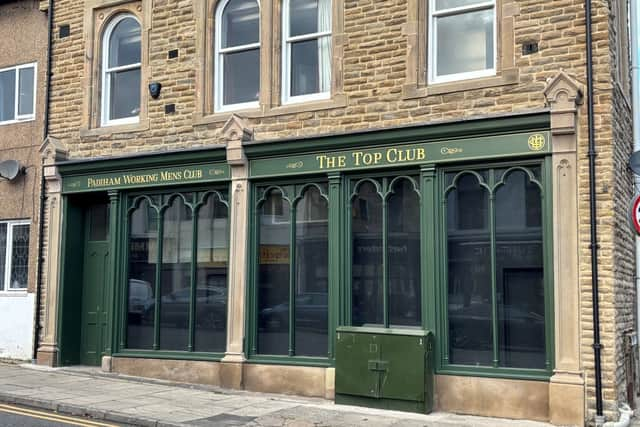
“We have some wonderful historic buildings in Padiham and it’s important that we look after them. We’re really pleased to have supported this project through the UK Shared Prosperity Fund and to see the investment making a visible difference to the town centre.”
The restoration was carried out by Trawden-based specialist contractor Penyard Limited, with chartered building surveyors Lea Hough acting as principal designer and provider of contract administration services throughout the project