
East Lancashire NHS Trust praised as North West drives record elective care recovery
NHS teams across East Lancashire are being credited with playing a key role in a landmark year for elective care, as new national figures show the health service delivered its highest ever number of surgeries, tests, checks and outpatient appointments in a single financial year.
The latest operational performance statistics published by NHS England reveal that 65.3% of patients nationally were seen within 18 weeks over the past year, while the overall waiting list fell by more than 312,000 – the largest annual reduction in 16 years.
The figures mark a significant milestone in efforts to tackle the backlog of elective care built up during the COVID-19 pandemic, with NHS leaders highlighting the contribution of hospitals across the North West, including those in East Lancashire.
Dr Michael Gregory, Regional Medical Director for NHS England in the North West, said the progress reflected the commitment of frontline staff across the region.

“These figures are testament to the extraordinary effort of NHS staff right across the North West,” he said. “Every number in these statistics represents a real person who has had their operation, received their test result, or been seen by a specialist. That matters enormously.
“We have made real progress, but we are under no illusions that there is still more to do. The innovation we are seeing at places like the Trafford Elective Surgical Hub, and the commitment we are seeing from trusts like East Lancashire Hospitals, gives me genuine confidence that we are moving in the right direction.”
Across the North West, NHS providers in Greater Manchester, Cheshire and Merseyside, and Lancashire and South Cumbria have all reported improvements in waiting list size and patient flow, contributing to the national reduction.
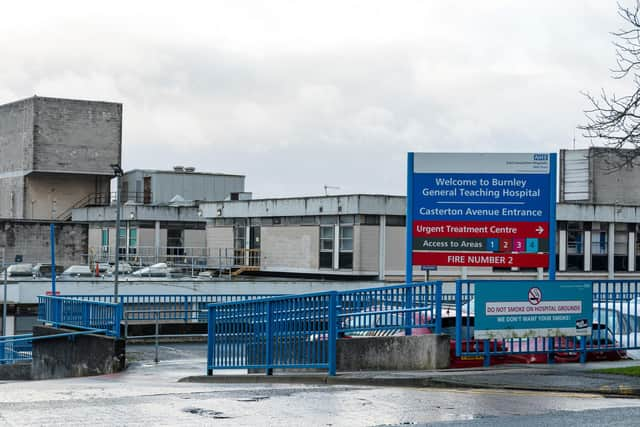
In East Lancashire, the East Lancashire Hospitals NHS Trust (ELHT) has been singled out as one of the region’s strongest performers in elective recovery, with teams credited for driving down waiting times through increased clinical capacity and improved use of resources.
The Trust has expanded elective activity by adding extra clinical sessions and investing in additional staffing and theatre capacity. It has also focused on streamlining patient pathways to improve flow through outpatient and surgical services.
Key initiatives include running more high-volume, low-complexity theatre lists – such as carpal tunnel procedures – alongside the development of a surgical hub model designed to maximise efficiency. Procedure rooms are also being used more effectively for simpler treatments, including knee injections, while cancelled appointments are being rapidly filled to ensure theatre time is not wasted.
These changes have delivered significant improvements in performance. The number of patients waiting more than 52 weeks has fallen dramatically, from 2,598 in April 2025 to just 329 by March 2026.
Performance against the 18-week referral-to-treatment standard now stands at 70%, with ELHT regularly ranked in the top quartile nationally for theatre productivity.
Health leaders say the results demonstrate that sustained operational changes, combined with staff dedication, are helping to steadily reduce waiting times for patients across East Lancashire, while building momentum in the wider recovery of NHS elective services.