
From Burnley to Team GB: Gregg Stevenson on resilience, leadership & life after the Marines
Gregg Stevenson was born in Burnley and began his career as a Royal Marine Commando, serving in one of the most demanding roles in the British military. His journey since has been defined by determination, purpose, and an unshakable drive to overcome adversity
After being medically discharged, Gregg channelled his focus into elite sport—representing Team GB as a Paralympic rower and later becoming a sought-after advisor on performance and leadership. Today, he draws on his personal story to help individuals and organisations unlock their potential through mindset, accountability, and clear goal-setting.
Now recognised as one of the UK’s most compelling Mental Resilience speakers, Gregg shares insights on bouncing back from setbacks, building high-performing teams, and leading with clarity—whether in the military, sport, or business.
Q: Growing up in Burnley and later joining the Royal Marines, how did your military background equip you to navigate adversity and find renewed purpose beyond service?
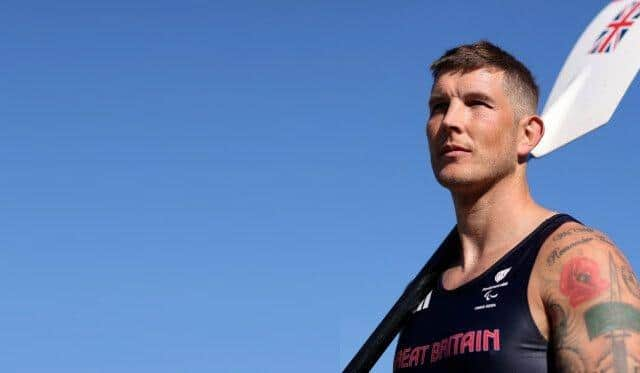

Gregg Stevenson: “I think being part of the military community—you know, I was a Commando, so I was in an elite arena—and I think it gives you that confidence that you can enjoy... there’s a series of tests just to get that first step into that world. So you know you can perform at a high level, and the value that is placed on that is really obvious and something that you have to show and demonstrate yourself.
“So, I think it gives you that confidence. But you know, I was medically discharged from the military, so it took me a little while to understand that actually, these skills we learn are quite process-driven. I didn’t take that into my civilian life straight away—as daft as it sounds, I was kind of doing a bit of everything and not much of anything.
“Once I really thought back to those key values that I’d learnt—that sort of integrity, being a good team member, being accountable—those simple things, I really started to enjoy life a bit more and really find my purpose again. I’d missed being part of a team, and I’d missed having a purpose, a reason to get out of bed.
“So the smart thing I did, and the thing I really enjoy talking about, is how we establish that and how we encourage teams to embrace that. Even successful teams—it can be easy for the flames to dull a little—but actually, for me, it’s about having a purpose where we can keep that exciting, fresh. Staying process-driven really helps that.
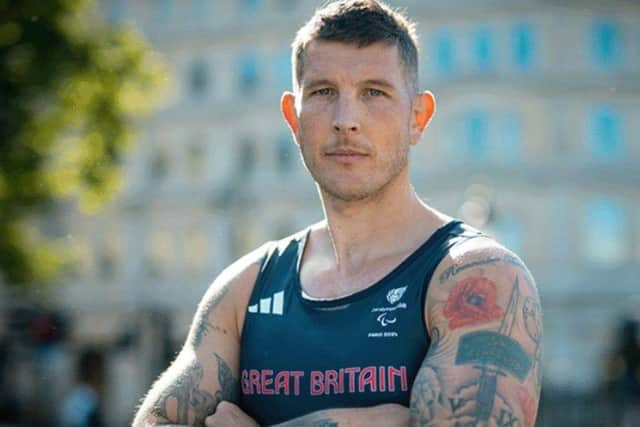
“A key thing in the military is having really obvious goals and understanding your role within that. The same applies to the business world. I think good leadership is often setting out the blueprint, setting out the direction of travel and just ensuring that everybody understands their role within that.
“That’s what I do now, that’s what I take into my daily life—really understanding what my goals are, are they attainable, and how do I achieve them.
“So I think the military teaches you to be quite simplistic, but it also helps you achieve. Things that stick around in the military tend to be pretty useful.”
Q: You’ve represented Britain in elite sport and worked within high-performance environments. What lessons from rowing and competitive sport do you now apply to leadership and culture within teams?
Gregg Stevenson: “When I joined the elite sport environment, the first thing I noticed was the attention to detail—the planning. Every single thing that we did had a purpose, be that an individual session or pulling out and looking at the season ahead. Everything centred around optimising time, optimising performance, to ultimately achieve the fastest speeds in the big races in the summer.
“It was really, really interesting to go into that environment. One of the key things I also learnt was about feedback—honest, raw feedback. Nobody’s too big or too small to receive that. I’m talking about being compassionate with that—not just pointing out failures or areas of development. Celebrating success is a key part of it and something I brought into the team. I said, “I can’t always be negative, I need to celebrate the small wins.”
“For me, it was that absolute attention to detail—understanding what I could bring to achieve that, understanding what I had to do to achieve the big goals of the summer races. It also kept me from becoming overwhelmed.
“That’s what elite sport and the environments are very good at. British Rowing are fantastic at just simplifying that process. You understand where you need to be, you understand that every session has a key purpose, which helps really create that buy-in that’s required—especially when you’re rowing, in my situation, with a partner. You both understand what the plan is, how you’re going to get in sync and race well together.
“So I think it’s about that—I think it’s understanding your role. Elite sport is a harsh environment, because ultimately it’s quite black and white in terms of trying to deliver the ultimate performance. But it’s how we get there—it’s that blueprint.
“I think that’s what good coaches and leaders are able to do. Just like the military, it’s creating the buy-in and creating the ethos that each day, turning up and delivering 100%, is what’s going to get you to those exciting opportunities.”
This exclusive interview with Gregg Stevenson was conducted by Sophia Hayes.
For More Information: Champions Paralympians Speakers