
This is how many more new homes Burnley is set to get a year, according to Housing Secretary Angela Rayner's housing target
The Government's latest housing target for Burnley aims to bring hundreds more new homes a year than the previous goal.
Housing Secretary Angela Rayner will make local housing targets mandatory again, as she unveiled an overhaul of England's planning rules to help deliver Labour's promise of 1.5m new homes nationally by 2029.
And in Burnley, Ministry of Housing, Communities and Local Government figures show the proposed target has been set at 369 new homes annually – up from the current target of 51 homes a year.
Ms Rayner, the Deputy Prime Minister, said: "Our decisive reforms to the planning system correct the errors of the past and set us on our way to tackling the housing crisis, delivering 1.5m. homes for those who really need them.
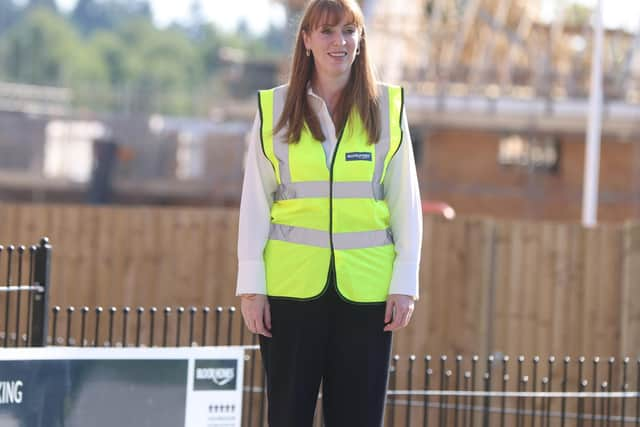

"And something I am personally proud of, our new flexibilities for councils will boost the number of social and affordable homes, and give working families a better route to a secure home."
The reforms also make explicit that the default answer to brownfield development should be "yes" and promote housebuilding at greater densities in urban centres, like towns and cities.

However, because there is not enough brownfield land in the country to meet housing needs, the Government will allow the targeted release of so-called grey belt land, which includes disused petrol stations and car parks on parts of protected land known as the green belt.
Any green belt land released will be subject to "golden rules" to ensure the development delivers 50% affordable homes with a focus on social rent, and has access to green spaces and infrastructure, such as schools and GP surgeries.
The method for local authorities to calculate how much land they must allocate for new housing, which relied on data from 2014, will be updated to ensure stock is boosted in every part of the country.
Ms Rayner said: "Rather than relying on outdated data, this new method will require local authorities to plan for homes proportionate to the size of existing communities, and it will incorporate an uplift where house prices are most out of step with local incomes."
Victoria Hills, chief executive of the Royal Town Planning Institute, said the proposed changes "have the potential to rebuild trust in our planning system".
"It is particularly encouraging to see the Government placing a much-needed emphasis on strategic planning, which can help deliver more coherent – not piecemeal – urban expansions by integrating new housing with transportation, energy, and public services."