
NHS waiting list in North West at 3 year low but what’s the story in Lancashire?

The North West as a whole has seen an impressive drop in its waiting list over the past year but we’re taking a look at whether that is reflected in Lancashire.
Statistics released at the end of last week show that elective activity has helped cut the national waiting list to its lowest level since February 2023.
In the North West, this meant that thousands of patients across the North West received planned treatment in 2025, as the NHS delivered more elective activity than any other year in its history.
The spokesperson for NHS England in the North West states that this milestone has been achieved despite demand across emergency services showing no signs of letting up, and the fact that the NHS is on track for its busiest winter ever.
Despite these pressures and five days of industrial action by resident doctors, NHS staff nationally maintained almost 95 percent of usual activity during strikes.
In the North West, between December 2024 and December 2025, the elective waiting list came down by over 36,590 (falling from 1.04 million to 1.01 million).
This 3.5 percent fall is thanks to the Elective Reform Plan and the efforts of NHS staff to hold more appointments, clinics and theatre activity throughout the year.
The plan has led to an expansion of community diagnostic centres and surgical hubs across the country including the North West, creating more evening and weekend clinics, as well as sending patients “straight to test” rather than multiple clinic visits.
This means fewer cancelled operations, speedy diagnoses and shorter waits for treatment.
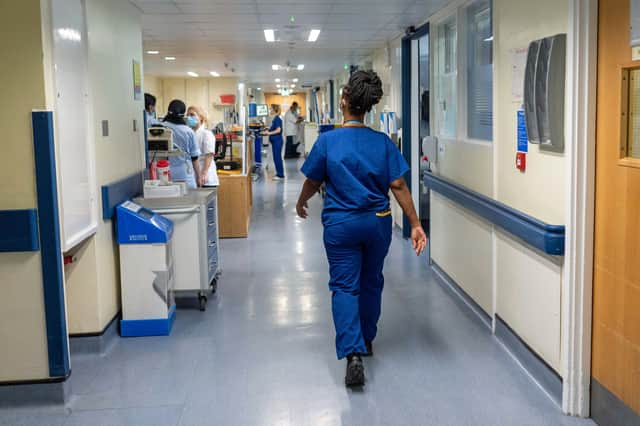

What has been said about the waiting list improvements in the North West?
Dr Michael Gregory, Regional Medical Director for NHS England in the North West, said: “Achieving this milestone in elective care is such a great achievement and has only been possible through the hard work of our NHS staff across the region.
“While we’re really pleased to see improvements in the performance of our urgent and emergency care this winter, we recognise there’s still more work to reduce long waits and improve patient experience.
“We thank our colleagues for working so hard. We recognise how difficult it is for patients. Ensuring we’re able to improve waiting lists for planned care while making sure services continue safely and effectively is really important for us.”
Is the waiting list reduction evident in Lancashire?
The release from NHS England in the North West only specifically highlights improvements at one Lancashire NHS Trust.
It pointed out how East Lancashire NHS Trust saw an 18.5 percent fall.
We therefore have looked at the latest government data on ‘Referral to Treatment (RTT Waiting Times)’ to get a better picture of the situation in Lancashire.
Blackpool Teaching Hospitals Trust
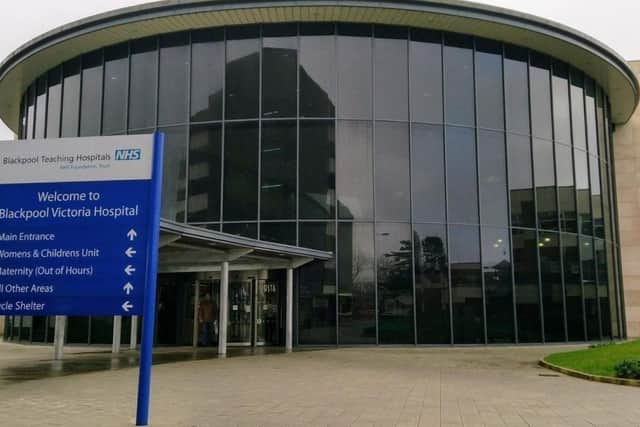
Across all the different treatments, in 2025, there were 42,518 incomplete pathways, compared to 32,756 in 2024.
Incomplete pathways in the NHS refer to patients currently waiting to start treatment at the end of a reporting period (e.g., end of the month), often referred to as the waiting list or backlog.
The percentage of people who were then seen within 18 weeks in 2025 was 56.3% compared to 55.7% in 2024.
Finally the average median waiting time (in weeks) was 15.3 in 2025 compared to 15.3 in 2024.
Overall change from 2024 to 2025: an increase in the number of incomplete pathways, an increase in the number of patients seen within 18 weeks but no change to the average waiting time.
East Lancashire Hospitals NHS Trust
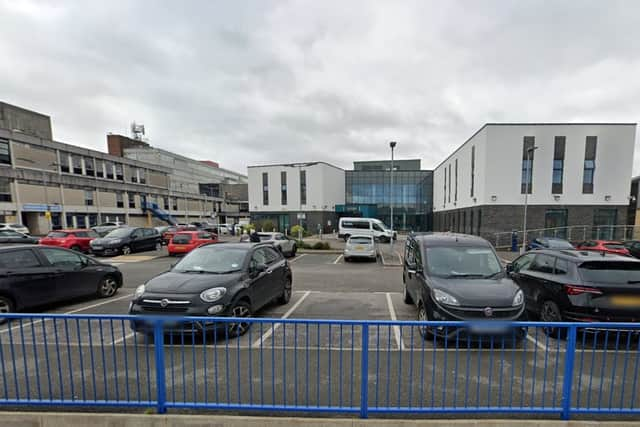
Across all the different treatments, in 2025, there were 52,670 incomplete pathways, compared to 64,638 in 2024.
The percentage of people who were then seen within 18 weeks in 2025 was 62.4% compared to 57.1% in 2024.
Finally the average median waiting time (in weeks) was 12.3 in 2025 compared to 14.7 in 2024.
Overall change from 2024 to 2025: a reduction in the number of incomplete pathways, an increase in the number of patients seen within 18 weeks and the average waiting time decreased.
Lancashire and South Cumbria Foundation Trust
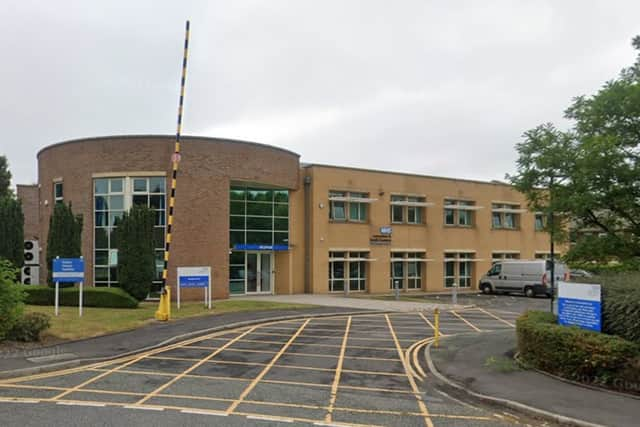
It is worth noting that this trust only reported the data for Trauma and Orthopaedic Service and Rheumatology Service in both 2024 and 2025.
Across the above two treatments, in 2025, there were 3,450 incomplete pathways, compared to 2,672 in 2024.
The percentage of people who were then seen within 18 weeks in 2025 was 95.9% compared to 98.2% in 2024.
Finally the average median waiting time (in weeks) was 5.4 in 2025 compared to 4.3 in 2024.
Overall change from 2024 to 2025: an increase in the number of incomplete pathways, a decrease in the number of patients seen within 18 weeks and the average waiting time increased.
Lancashire Teaching Hospitals NHS Foundation Trust
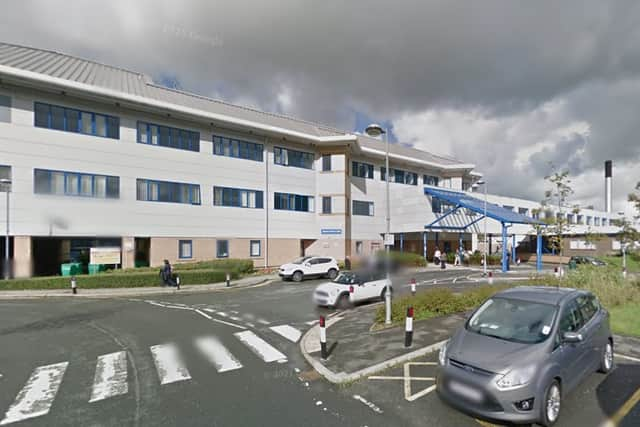
Across all the different treatments, in 2025, there were 64,035 incomplete pathways, compared to 58,907 in 2024.
The percentage of people who were then seen within 18 weeks in 2025 was 53.1% compared to 56.7% in 2024.
Finally the average median waiting time (in weeks) was 16.7 in 2025 compared to 15.3 in 2024.
Overall change from 2024 to 2025: an increase in the number of incomplete pathways, a decrease in the number of patients seen within 18 weeks and the average waiting time decreased.
Mersey and West Lancashire Teaching Hospitals NHS Trust
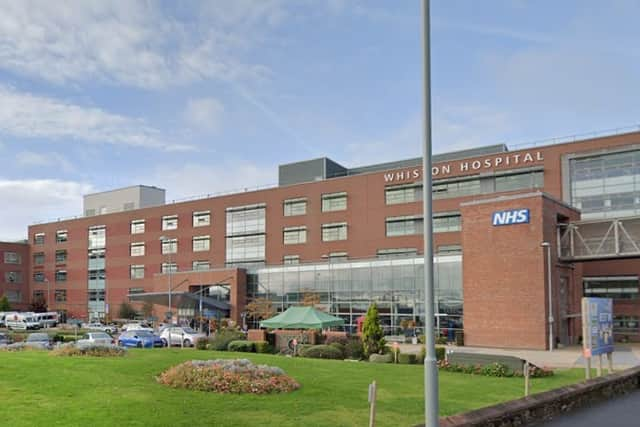
Across all the different treatments, in 2025, there were 73,780 incomplete pathways, compared to 77,639 in 2024.
The percentage of people who were then seen within 18 weeks in 2025 was 62.8% compared to 59.9% in 2024.
Finally the average median waiting time (in weeks) was 12.7 in 2025 compared to 13.7 in 2024.
Overall change from 2024 to 2025: a reduction in the number of incomplete pathways, an increase in the number of patients seen within 18 weeks and the average waiting time decreased.
University Hospitals of Morecambe Bay Trust
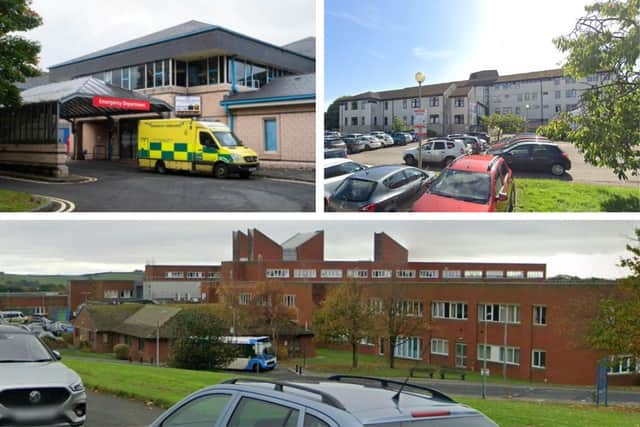
Across all the different treatments, in 2025, there were 35,368 incomplete pathways, compared to 32,435 in 2024.
The percentage of people who were then seen within 18 weeks in 2025 was 68.3% compared to 69.4% in 2024.
Finally the average median waiting time (in weeks) was 11.2 in 2025 compared to 10.9 in 2024.
Overall change from 2024 to 2025: an increase in the number of incomplete pathways, a decrease in the number of patients seen within 18 weeks and the average waiting time increased.