
Bygone Burnley: Brun Valley Forest Park, with historian Roger Frost MBE
Our Bygone Burnley episode today takes us to the Brun Valley Forest Park, an often over-looked and sometimes neglected area of town that today blends the natural and industrial features of our history.
Respected local historian Roger Frost MBE guides us around the park or greenway, beginning here in our video at Burnley Central railway station and the adjoining Railway Street, once a thriving and bustling thoroughfare.
Sadly, the area has declined in recent decades with the dilapidated and derelict remains of the former Adelphi pub scarring the street opposite the station.
However, the greenway which wends its way from here to the edges of Colne Road offers a quiet and green retreat from the bustle of the town centre.

Indeed, the ‘park’ covers a huge area that links together 13 separate areas of open space owned by Burnley Borough Council and Lancashire County Council to create a diverse landscape for recreation and biodiversity.
Most of the sites have been reclaimed from former industrial uses, including railway lines, Bank Hall and Rowley Collieries, a quarry, brick works and former landfill sites, together with areas of formal parkland. Collectively they create a forest park that extends from Burnley Central Station along the valleys of the rivers Brun and Don to the open countryside on the east side of Burnley.
Roger said: “This greenway should be better known than it is. It is a great facility for walkers and cyclists. The Adelphi on Railway Street is now in a terrible ruinous state, and should have been dealt with years ago. However, Railway Street in the past was a really vibrant area.
“I remember a soda fountain that made the most fantastic orange juice you could hope to drink. It was very thick, almost like soup, and very sweet.
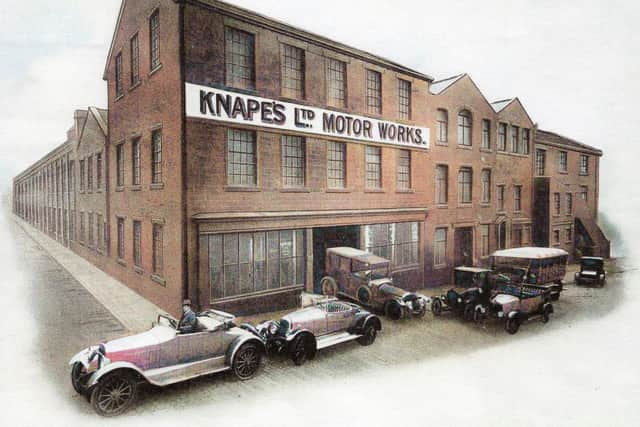
“The street was also home to Knape’s Motor Works, opposite Burnley Bank Top railway station.”
Roger goes on to explain how, in the dim and distant past, the area next to Railway Street, was once known as Cronkshaw Meadows, which refers to the area where cranes once had their nests, in Elizabethan times.
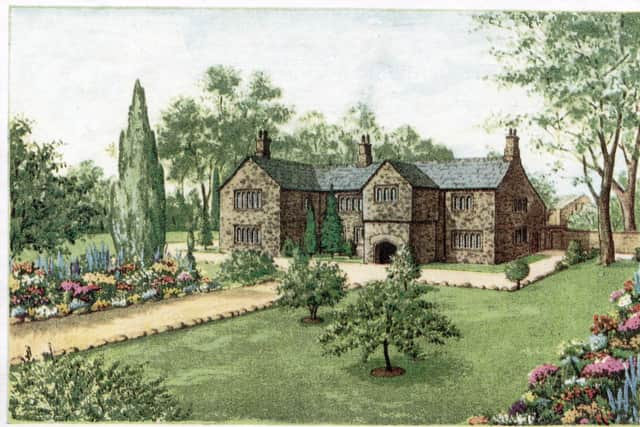
“The area then became known as Thursby Gardens. Danes House, or Dancer’s House, as it was also known, was situated in what became Thursby Gardens, on Colne Road. It was a historic and most attractive house, the home of the Folds family.”
We next look at a point where the park widens, on what was the old mineral railway track. The extension to the Prestige building, which employed around 1,800 people at one time, was nearby.
Other industrial remains include the Colne Road bridge, underneath which ran the railway track that linked Bank Hall Colliery and Bank Top Railway Station, later Burnley Central.
“Coal from the colliery and others in the area such as Rowley and the one near Turf Moor were all brought to Bank Hall and carried on this railway before being taken all over the county,” Roger added.
Finally, we look at the remains of a ginny track railway or tramway. This also transported coal from Bank Hall to the mainline for distribution across the country.