
Colne conservation area row after ‘late’ comments from housing trust boss delays decision
A housing trust boss and council leader have rejected suggestions of rule-bending and political bias, after a decision about a potential Colne conservation area was delayed following ‘late’ comments.
Alan Davies, chairman of the Peter Birtwistle Trust, and Pendle Council’s David Whipp have defended their actions after Conservatives criticised the council’s acceptance of ‘late’ feedback from Mr Davies about creating a Keighley Road conservation area – despite a consultation deadline in January.
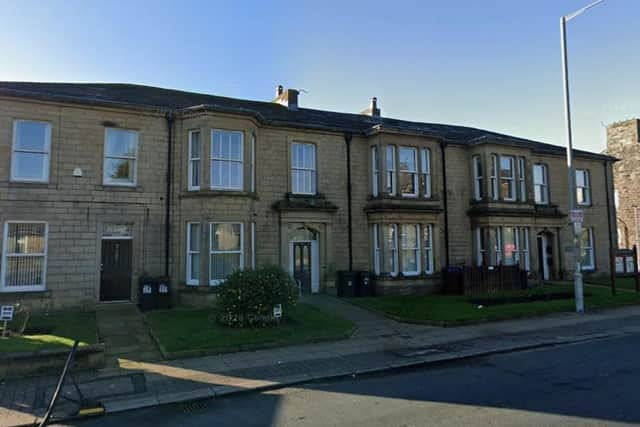
Pendle Council’s executive was due to make a decision about the conservation area in mid-March. But it deferred that to allow for talks with the trust. The trust manages 95 properties including some around the Keighley Road area.
Now, Conservatives have asked if ‘Lib-Dem links’ between Mr Davies, a former councillor, and current councillors, was a factor?

At Pendle Council’s latest full meeting, Conservative opposition leader Ash Sutcliffe, led questions about the consultation process. He said: “There was strong support for creating a Keighley Road conservation area in a public survey, with over 90% of respondents in favour. But does the council’s executive now believe landlords have a greater right than tenants in having a say?
“Does one landlord’s comments justify the executive deferring a decision and arranging a special meeting? Is this democracy? Or is the council leader and his colleagues simply looking-after fellow Liberal-undemocrats?”
Conservative Sarah Cockburn-Price added: “When is a deadline not a deadline? The deadline in the second consultation phase was January 21. So how is it reasonable to consider a response outside that period?”
She also said public meetings were held at Colne Library and cricket club, where the pros-and-cons of conservation areas were explained, such as potentially stricter planning requirements.
She added: “It was also made clear that a council officer had an iPad and could take public comments at the meetings. But nobody wanted that at the library. So people were told clearly about online feedback.”
But council leader Lib-Dem David Whipp said: “The executive has not taken a view on whether the conservation area should be approved or not. Deferring it is neutral.
“It was deferred because questions were raised about the participation of some councillors in consultation events. The trust chairman expected the session he attended to be held by a planning officer. He was surprised it was hosted by a councillor who had encouraged the conservation area. He said the councillor listened to his views then tried to justify the scheme.”
But he added: “Landlords do not have greater rights than residents in consultation. But this is the chairman of a trust providing accommodation for elderly people. He is welcome to submit views on issues that might affect the trust. And the council’s executive has decided to meet the trust before a decision. ”
Separately, Alan Davies told the Local Democracy Reporting Service: “My objections are about the consultation. During the second phase, I tried to add comments but the council’s IT system kicked me out. It only gave me 10 minutes. How many other people were put off by that?
“I also went to a public session run by Coun Sarah Cockburn-Price. I was never asked my name or whether I objected. But I made my thoughts clear. Yet a council report said over 90% of people favoured a conservation area and did not appear to include the drop-in sessions.”
He added: “My personal view is the Keighley Road area is attractive but not unique. There are other areas in Colne which the same assessment could have been written.
“The trust has some properties on or near Keighley Road. Some are in the conservation area plan and some not. Some are fairly modern but are included simply because their front gardens help to set the scene.”
Regarding political links, Mr Davies said: “It has been many years since I’ve been on the council. Today, there might be three trustees with Lib-Dem links on the trust’s management but talk of ‘allegiances’ is just an attempt to politicise things.”