
Burnley and Pendle local government shake-up faces fresh uncertainty
Plans for a major shake-up of local government which would have a significant impact on Burnley and Pendle have been put on hold after the Government announced a fresh review.
The proposed reorganisation would see smaller councils across England merged to create larger unitary authorities, with the existing two-tier system of county and district councils eventually abolished.
The Government has now confirmed that plans in 14 areas will be reviewed and paused following new legal advice.
The move comes after ministers faced legal challenges over proposals for council reorganisation in Essex, Hampshire, Norfolk and Suffolk.
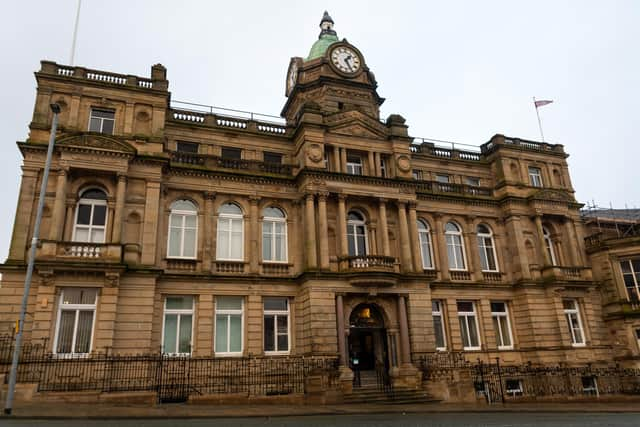

And there was similar opposition in Burnley and Pendle where a new “Pennine Lancashire” was branded as financially unfeasible by local leaders opposed to the plans.
Mark Wynn, the senior responsible officer for Local Government Reorganisation in Lancashire, said: “We note the government’s announcement that plans for local government reorganisation in Lancashire will be reviewed and paused.
“Collectively we will consider the detail carefully and continue to work together while the review takes place.
“In the meantime, the focus of all of Lancashire's councils remains firmly on delivering services and supporting residents and communities across the county.”
The Government has also confirmed that local elections due to take place in May 2027 will go ahead using existing council boundaries.
The announcement could have implications for Lancashire, where proposals have been drawn up for a major reorganisation of councils.
Under the plans, Burnley Council is among a number of authorities which could be brought together as part of a new larger unitary council covering Burnley, Pendle, Hyndburn, Rossendale and Blackburn with Darwen.
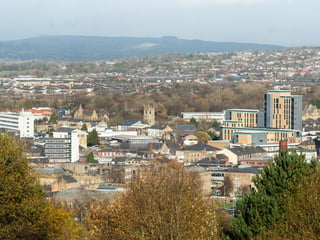
The proposed changes would mean the existing district and borough councils in the area would be abolished, with responsibility for services transferred to a new authority.
The Government says replacing the current complicated system with larger unitary councils could make local government simpler and deliver savings by making services more efficient.
However, opponents have warned that reorganisation could prove costly, divert resources away from frontline services and create councils which are further removed from the communities they serve.
The latest announcement means the timetable for the reforms remains uncertain, with the Government now wanting to examine whether the proposals are legally robust and whether they meet the priorities of the new administration.