
Reporting Back: Oliver Ryan MP Burnley, Padiham and Brierfield
Closer Ties with our European Neighbours?
Happy new year! This week, I'd like to discuss a meaty topic that affects most of us, and I know can be a bit contentious: our relationship with Europe.
Brexit might have been the formal end of our membership of the European Union, a body which certainly had its issues, but it wasn’t the end of our relationship with our European neighbours - the largest and closest trading block on our doorstep. No one is saying we should rejoin the EU outright, but on issues like immigration, small boat crossings, food prices, jobs and manufacturing exports, coordination with Europe is critical to achieving our aims, and supporting people and jobs here in Burnley, Padiham and Brierfield. Here's why:
Illegal boat crossings: When we were in Europe, small boat crossings simply didn’t exist in anything like the current form, because we were part of the Dublin Agreement, which meant asylum claims were made in Europe first. The numbers are coming down, but let’s be honest, the small boats problem is one Brexit created.
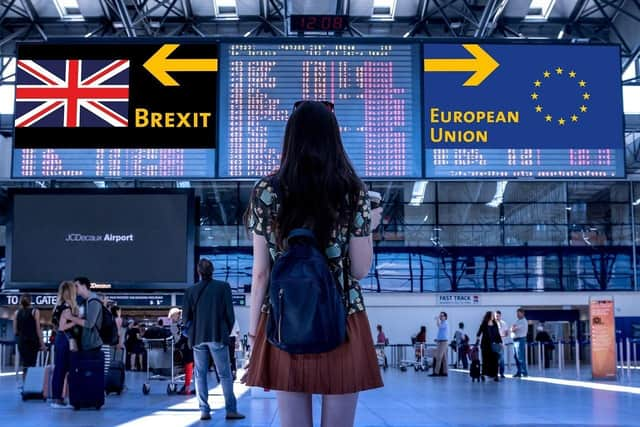

Politics should be an open, honest debate, so we need to work closer with Europe.
Jobs and Business: On jobs, I’ve visited 100-plus businesses in Burnley, Padiham and Brierfield in the last 17 months. I’m yet to meet an exporting mass-employing business in our area which doesn’t want closer ties with Europe urgently, if nothing else, for quicker and more aligned customs checks and regulations.
The people who actually make things, sell things, and employ local people are telling me the current set-up is holding us back, and they're losing business in Europe. There are real opportunities to align more closely in key sectors like defence and car manufacturing, which matters hugely to a town like ours.
Food prices: The UK imports 50% of our food, mostly from Europe. Brexit has brought extra paperwork, checks, delays and fees, and all of that acts as a tax on your weekly shop. Every form and delay means extra costs for every single lorry, passed straight to the supermarkets, and then straight to you. There’s no getting around it - closer realignment means less friction in trade, and less friction means lower prices.
And this is not just theoretical, it's a fact: UK food inflation averaged around 1.5% between 2013 and 2021. From 2021 until 2024, it was 30.5%. A shop that cost £50 before Brexit now costs £65. Nearly £1,000 a year is coming straight out of your pocket for the same stuff.
Now, of course, there is some Covid inflation in that, but it is nonetheless staggering.
There’s a lot more to unpack, but what do you think? As always, if you need advice or support with casework or local issues, get in touch with me at [email protected], call 01282 216398, or visit my office on Grimshaw Street.