
LCCA strengthens transport plan after 1,757 public feedback responses
The Lancashire Combined County Authority has used feedback from a major public consultation to strengthen its first transport implementation plan, with funding for cycling and walking infrastructure rising from £20 million to £50 million and road safety funding doubling to £10 million.
The Lancashire Combined County Authority (LCCA) has used feedback from a major public consultation to strengthen its first transport implementation plan.
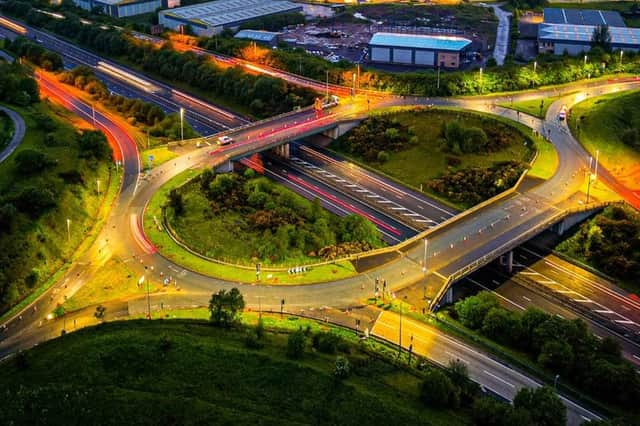

Developed jointly by the LCCA and its constituent authorities, the Local Transport Plan Implementation Plan 2026–2030 sets transport investment priorities and delivery plans across Lancashire.
It will support the ambitions of the Lancashire Growth Plan, which sets out how the county will build on its position as one of the UK’s leading economic powerhouses, delivering growth and investment.
The consultation asked residents, businesses, councils and other organisations for their views on proposals to improve the way people travel across Lancashire.
A total of 1,757 responses were received, including 1,659 from residents, alongside detailed submissions from local authorities, transport organisations and other key stakeholders.
The Feedback has helped shape the final Implementation Plan, resulting in stronger commitments around congestion, rail and sustainable transport, increased emphasis on road safety and rural transport, and clearer information about funding, investment and delivery.
The consultation also showed that while many people supported the overall ambitions of the Plan, they wanted greater clarity about how improvements would be delivered, including funding, timescales and priorities.
Public transport emerged as one of the clearest priorities. People called for more reliable and frequent bus services, better rail connections, improved integration between different forms of transport, and safer, more connected walking, wheeling and cycling routes.
Thanks to the feedback, funding to deliver Local Cycling and Walking Infrastructure Plans has risen from £20 million to £50 million, while funding for the road safety programme has doubled from £5 million to £10 million.
The Plan also commits to exploring rail proposals including Rawtenstall to Manchester, Colne to Skipton and Fleetwood to Poulton through the emerging Lancashire Rail Strategy, while further work will examine the specific transport needs of rural communities.
Councillor Stephen Atkinson, Chairman of the Lancashire Combined County Authority and Leader of Lancashire County Council, said: "This is an important milestone for Lancashire and represents the first transport implementation plan developed by the Lancashire Combined County Authority working in partnership with its constituent authorities.
"People across Lancashire have told us they want more reliable public transport, safer roads, stronger rail links, better walking and cycling routes, and action on congestion.
"Their feedback has helped us strengthen the Plan and ensure investment is focused on the improvements that will make the greatest difference to communities, businesses and the economy."
Councillor Phil Riley, Leader of Blackburn with Darwen Council and Chair of the LCCA Transport Advisory Board, said: “I’m really pleased that this plan is focused on practical transport improvements that people across Lancashire will notice and benefit from in their everyday lives.
”I’m particularly excited about the prospect of restoring direct rail services between Manchester and Leeds via Blackburn, Clitheroe and Hellifield. Better connections like this would open up opportunities for our residents and businesses, improve access to jobs and strengthen our links with two of the North’s major cities.
“This is exactly the kind of ambition we need to improve connectivity and support economic growth across Lancashire.”