
The 24 animals and plants 'at risk of extinction' in Lancashire - unless something is done
Two dozen animal and plant species are in need of specialist support to prevent them from being wiped out in Lancashire.
Two dozen animal species are in need of specialist support to prevent them from being wiped out in Lancashire.
The hen harrier - which has a breeding ground in the Forest of Bowland - and the rare wall mason bee, which is found in grassland in Morecambe Bay, are amongst the most scarce or declining creatures identified in Lancashire's new Local Nature Recovery Strategy (LNRS).
The document sets out a plan to restore habitats in order to help the county’s wildlife thrive and, in some cases, simply survive.
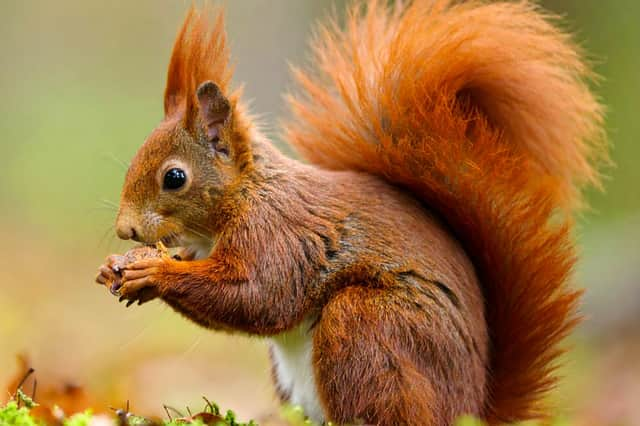
Other vulnerable species on Lancashire’s danger list include the red squirrel, arctic salmon, Duke of Burgundy and high brown fritillary butterflies – whose presence in Lancashire is limited to the limestone habitats at Gait Barrows National Nature Reserve - and the belted beauty moth, whose colony in the North West Lancashire slatmarshes, is the last one in England and Wales.

The strategy includes a new local habitat map which identifies the key areas for nature across the county, outlining both the risks posed to it and opportunities to rejuvenate damaged areas or even create entirely new habitat spaces.
The aim is to assist land managers, developers, planners, environmental organisations, community groups and residents to help nature recover and to target action and funding.
The LNRS was drawn up following a survey of around 1,000 groups and individuals last year in which respondents were asked about their priorities for nature. The results revealed the biggest concerns were about building on green and natural spaces, as well as the pollution of rivers, lakes and groundwater.
Now, a formal statutory consultation has been launched on the strategy that has been drawn up - specifically over whether its priorities are clear and how it can be used.
Lancashire County Council is the lead local authority for the LNRS, but it also encompasses the standalone Blackpool and Blackburn with Darwen council areas.
Joshua Roberts, the county council’s cabinet member for rural affairs, environment and communities, said:
The strategy and consultation - which closes on 3rd August - can be found at lancashire.gov.uk/lnrs.
LANCASHIRE’S NATURE RISK LIST
These are the species that require ”bespoke actions beyond the more general habitat creation and enhancement measures” in the LNRS:
Mammals
***red squirrel
Birds
***hen harrier
***black-tailed godwit
***black-headed gull
***lesser black-backed gull
Fish
***Atlantic salmon
***European smelt
Invertebrates
***Duke of Burgundy butterfly
***high brown fritillary butterfly
***pearl-bordered fritillary butterfly
***large heath butterfly
***belted beauty moth
***least minor moth
***wall mason bee
***tormentil mining-bee
***bilberry bumblebee
***red wood ant
Plants
*** Yellow Star-of-Bethlehem
***Northern bedstraw
***wood crane's-bill
***melancholy thistle
***lady's slipper orchid
***petty whin
***dwarf cornel