
Call to reinstate defibrillators - nearly 1/3 of those in North West wouldn't work in an emergency
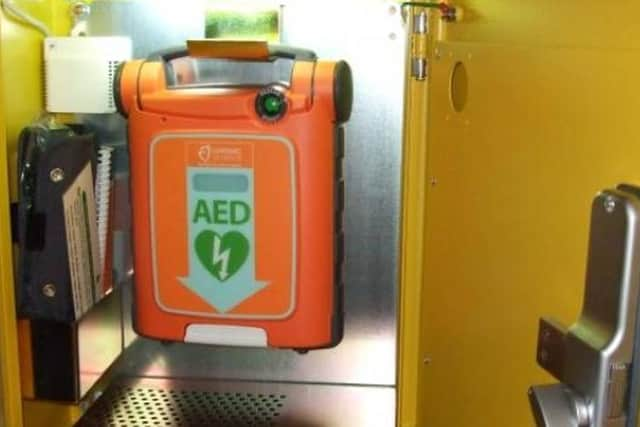
Nearly a third of all publicly-accessible defibrillators in the North West do not work, according to shock new research.
The North West Ambulance Service (NWAS) has this week announced that while there are 11,000 of the life-saving machines in the area, close to 3,000 are offline and no longer usable in an emergency. They say this can often be because there is no longer anyone responsible for its upkeep and maintenance.
Defibrillators are a vital tool in the chain of survival when someone suffers cardiac arrest. Immediate cardiopulmonary resuscitation (CPR) and defibrillation can more than double the chances of survival.
During an emergency 999 call, NWAS staff use “The Circuit,” a national defibrillator network managed by the British Heart Foundation. This system connects defibrillators to NHS ambulance services, allowing emergency call handlers to swiftly direct bystanders to the nearest device.
However, to remain registered in the system, owners or guardians of the defib need to keep it maintained regularly to ensure it is usable and working when required. Batteries and the pads that attach to a patient’s chest also need to be replaced on expiry.
NWAS are now calling on local communities to re-establish thousands of local defibrillators that have fallen out of use, and over the last few months have already been successful in reinstating over 800.

Mark Evans, Community Engagement Lead, says, “We know communities often raise money to install life-saving equipment in public spaces. We are trying to raise the fact that the responsibility for the device does not simply end once it’s bought.
“It requires somebody to keep it maintained and operational. Often, one of the myths about these devices is that we are responsible for them once they are put up. However, that is not the case. There needs to be a dedicated person who ensures that, when needed, it can be used. We will take devices off the system after 90 days if we don’t get that notification, ensuring that we never send someone to devices that won’t help them in an emergency.”
“We want to make sure as many of these devices are available as possible. We encourage all owners of publicly accessible defibrillators to register their defib on the network, as we even know some aren’t registered. This can be done www.thecircuit.uk.”
Cardiac arrest is a leading cause of death in the UK, with survival rates decreasing by up to 10 per eent for every minute without intervention. Immediate cardiopulmonary resuscitation (CPR) and defibrillation can more than double the chances of survival. However, it’s estimated that public-access defibrillators (PADs) are used in less than 10 per cent of out-of-hospital cardiac arrests (OHCAs) in the UK.
North West Ambulance Charity
The North West Ambulance Charity helps groups purchase new defibrillators as well as new batteries and pads to keep devices in working order.
Head of Charity, Jemma Kinch, says “One of the charity’s primary aims is to support saving lives in the community, as well as supporting local groups purchase equipment. Over the last 12 months, we’ve also helped fund community officers who’ve been reinstating defibrillators that were offline and unavailable.
“We are very thankful for our supporters as they make a positive difference to their communities and emergency service staff.”
Support your Lancashire Post and become a subscriber today. Enjoy unlimited access to local news, the latest football stories and new puzzles every day. With a digital subscription, you can see fewer ads, enjoy faster load times, and get access to exclusive newsletters and content. Click here to subscribe.