
NHS waiting list lowest in almost three years as NHS battled busiest winter on record
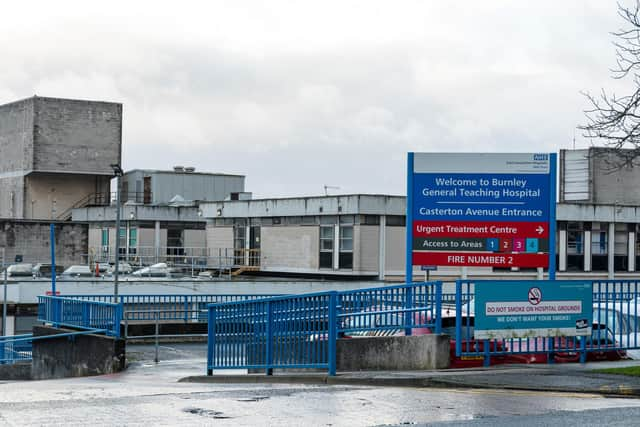
Significant progress has been made cutting hospital waiting lists in East Lancashire which saw an 18.5% fall in the last year.
Thousand of patients across the North West received planned treatment in 2025, as the NHS delivered more elective activity than any other year in its history.
Statistics released today show that elective activity has helped cut the national waiting list to its lowest level since February 2023. East Lancashire NHS Trust saw an 18.5% fall.
The improvements relate to non-emergency treatment such as hip and knee replacements, cataract surgery and other planned operations known as elective care. This is the type of care many patients may be waiting months and sometimes years to receive.

This milestone has been achieved despite demand across emergency services showing no signs of letting up, and the NHS on track for its busiest winter ever.
Despite these pressures and five days of industrial action by resident doctors, NHS staff nationally maintained almost 95% of usual activity during strikes.
In the North West, between December 2024 and December 2025, the elective waiting list came down by over 36,590.
This 3.5% fall is thanks to the Elective Reform Plan and the efforts of NHS staff to hold more appointments, clinics and theatre activity throughout the year.
The plan has led to an expansion of community diagnostic centres and surgical hubs across the North West, creating more evening and weekend clinics, as well as sending patients “straight to test” rather than multiple clinic visits.
This means fewer cancelled operations, speedy diagnoses and shorter waits for treatment.
Dr Michael Gregory, regional medical director for NHS England in the North West, said: “Achieving this milestone in elective care is such a great achievement and has only been possible through the hard work of our NHS staff across the region.
“We thank our colleagues for working so hard. We recognise how difficult it is for patients. Ensuring we’re able to improve waiting lists for planned care while making sure services continue safely and effectively is really important for us.”
In the North West A&E staff saw a 17,798 increase in total A&E attendances in January, compared to the year before (from 309,079 to 326,877, representing a 5.4% increase)
Meanwhile ambulance response times are quicker than last winter – with Category 2 response times down on last year (35.43 minutes in January 2025 to 32:48 minutes in January 2026).
Health and Social Care Secretary, Wes Streeting said: “Despite having to deal with flu and industrial action, the NHS has managed to continue cutting waiting lists, thanks to a Herculean effort this winter.
“This government has cut waiting lists by more than 330,000, with hundreds of thousands more people treated within 18 weeks. That’s not happening by chance – it’s because we delivered record levels of care in 2025.
“This progress is driven by unprecedented investment and modernisation of our health service, and above all by the dedication of NHS staff.
“Whether it’s by opening up new community diagnostic centres, rolling out surgical hubs to tackle backlogs, or investing in modern equipment and technology, we are rebuilding our NHS.
“There’s so much more to do, but people can take hope and optimism from the fact that the NHS is finally on the road to recovery.”