
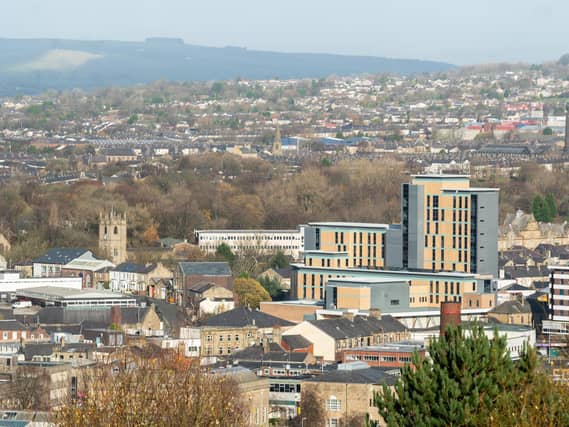

Case rates in Queensgate, Central Burnley and Daneshouse, Barclay Hills and Trinity; Cliviger, Worsthorne and Lane Bottom, Hapton and Lowerhouse and Habergham and Ightenhill have all grown substantially.
But, five wards have actually seen the rate decline since the return to school on the week beginning Monday, August 30th..
They were Rosehill and Burnley Wood, Whittlefield and Rosegrove, Padiham, Bank Hall and Fulledge and Harle Syke and Lanehead.
Brunshaw and Brownside’s rate stayed static.
Official figures from the UK Government show infection rates increased by 13% between August 31st and September 7th across the country, with positive infection rates per 100,000 people starting on average at 304.1 and then rising to 342.7.
Images for illustrative purposes only.
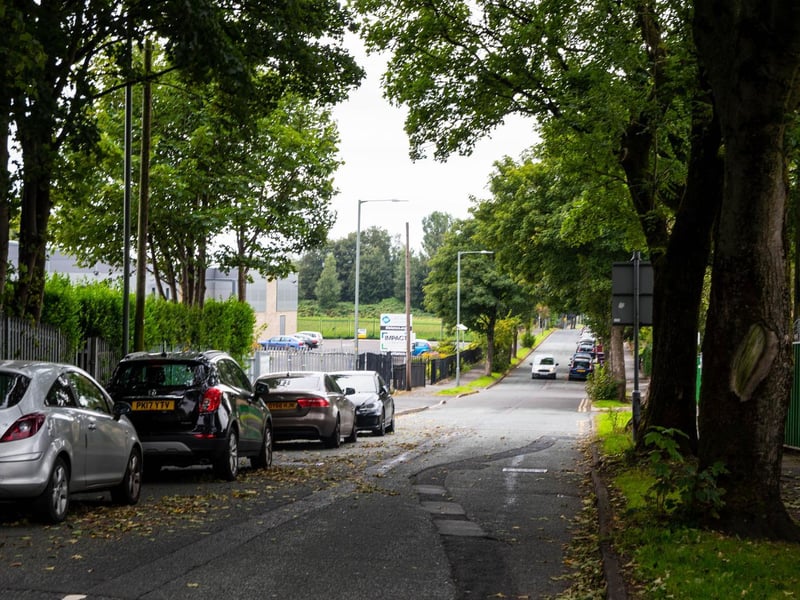
9. Whittlefield and Rose Grove
Whittlefield and Rose Grove has seen rates of positive Covid cases drop by 20%, from 552.8 (per 100,000) on August 31st to 442.3 on September 7th.
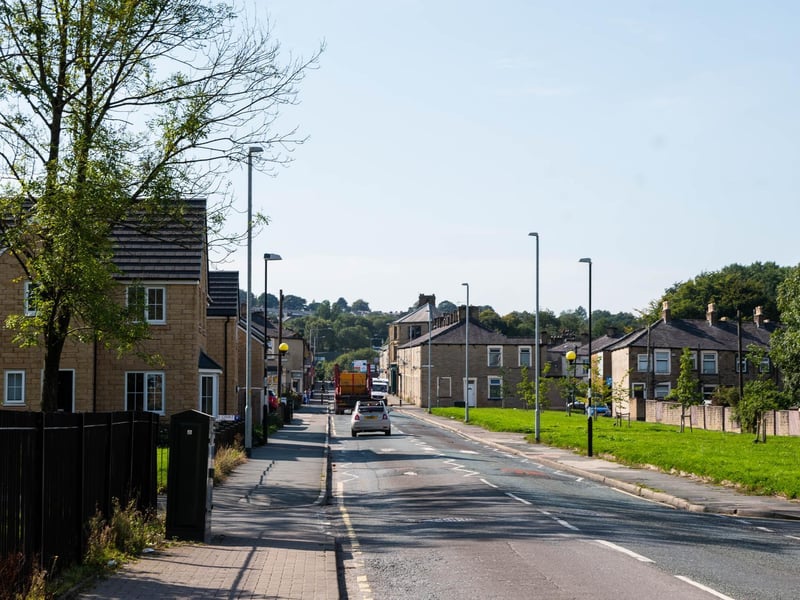
10. Rose Hill and Burnley Wood
Rose Hill and Burnley Wood has seen rates of positive Covid cases drop by 7%, from 297.7 (per 100,000) on August 31st to 277.9 on September 7th.
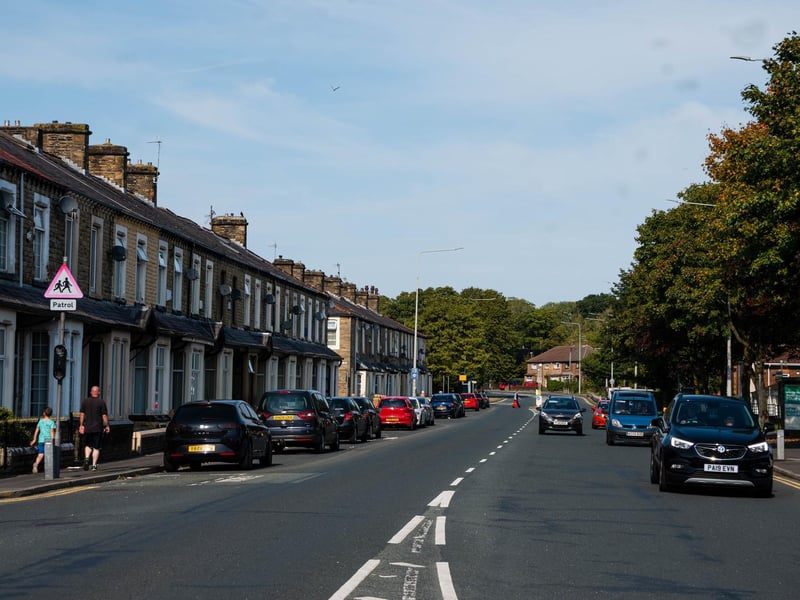
11. Bank Hall and Fulledge
Bank Hall and Fulledge has seen rates of positive Covid cases drop by 32%, from 414.9 (per 100,000) on August 31st to 282.2 on September 7th.
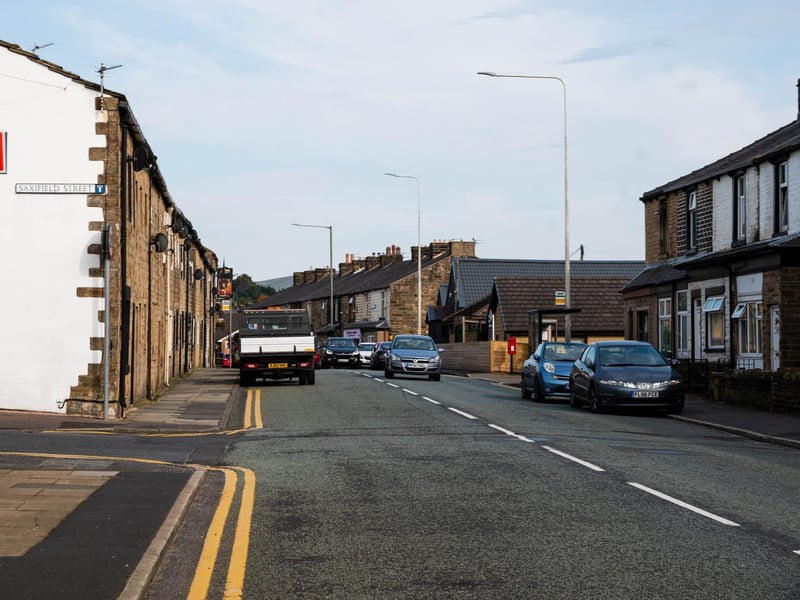
12. Harle Syke and Lanehead
Harle Syke and Lanehead has seen rates of positive Covid cases drop by -32%, from 319.6 (per 100,000) on August 31st to 216.8 on September 7th.