
University of Lancashire celebrates 10 years of creating medical doctors
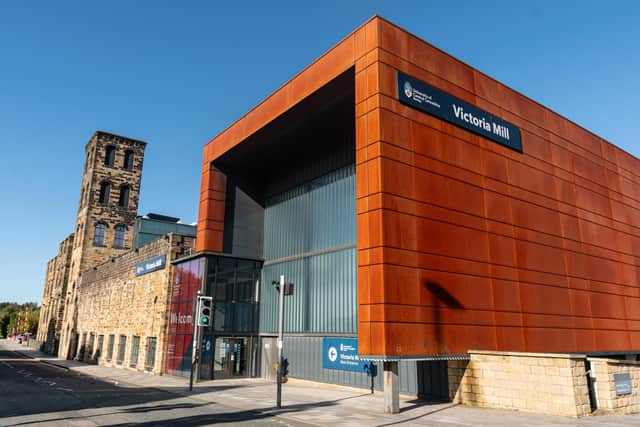
Burnley’s historic Victoria Mill in the Weavers’ Triangle – once the heart of Lancashire’s booming cotton industry – is now the base for training the country’s next generation of doctors.
The University of Lancashire is celebrating 10 years of creating medical doctors – including, in recent years, at its Burnley campus.
Since the start of the Medicine and Surgery (MBBS) course, 516 doctors have graduated and many of those have gone on to work in NHS hospitals throughout the country.
The five-year course has seen undergraduates study at Burnley’s Victoria Mill campus in Trafalgar Street, as well as Preston and Westlakes campuses.

As part of their studies, they undertook clinical placements in a wide variety of locations including Lancashire Teaching Hospitals Foundation NHS Trust, East Lancashire Hospitals NHS Trust and North Cumbria Integrated Care NHS Foundation Trust.
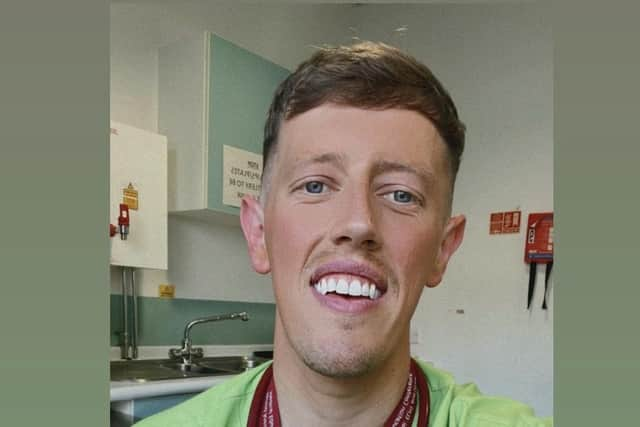
Dean Hardy, a first-class honours 2022 graduate, is now using his skills as a Senior House Officer Doctor for East Lancashire Hospitals NHS Trust. He described his course as the perfect preparation “to deal with any scenario as a doctor”.
Dean commented: “I have been in multiple emergency scenarios, particularly during night shifts on-call, where I have initially been the only doctor managing a life-threatening situation. The University prepared me well for this and I have been able to deal with them all confidently and effectively.”
The MBBS course, which is recognised by the General Medical Council, was initially open to international students only but the course received backing from the Government to allow UK students to apply.
Dr Takanayi Mureyi, a First Year Resident at Oxford University Hospitals Trust, graduated in 2024. The Zimbabwean praised being part of the international student community and said: “My time at the University was transformational. I quickly realised that a sharp mind was simply not enough to become a doctor. My course involved me developing a strong work ethic, and a host of multifactorial skills which included good communication and a team working spirit. The experience of learning whilst having fun was unforgettable.
“I recently received great end of year feedback regarding my performance in practice - this goes to show that I was trained very well at the University.”
Dr Haya Nasser graduated in 2024 and is working as a First Year in Plastic Surgery in John Radcliffe Hospital in Oxford. She added: “The University didn’t just help me become a doctor, it helped me become a more confident and well-rounded individual.”
Due to the Covid-19 pandemic, the first cohort of medical graduates had to use modern technology to recite the Declaration of Geneva, which is usually reserved for graduation day.
The School of Medicine, as it was named at the time, was officially opened by the late Dr Kate Granger MBE, who started the #hellomynameis campaign.
In addition to the MBBS cohorts, the School also produces dentists, optometrists, physician associates, audiologists, medical scientists and clinical dental technologists. It also runs extensive postgraduate programmes in medicine and dentistry.
Professor Alison Carr, Dean of the School of Medicine and Dentistry, added: “I am immensely proud we have reached our 10th anniversary and have produced more than 500 doctors. They have taken their excellent qualification and added much-needed resources into hospitals around the country.”