
Colour-blind illustrator with Aphantasia helps deliver another 35,000 graphic novels to UK primary schools
A colour-blind illustrator with aphantasia – the inability to create mental images – has helped bring a major national literacy project to tens of thousands of children, as Bookmark Reading Charity distributes 35,000 copies of its second graphic novel magazine to UK primary schools.
ExCo
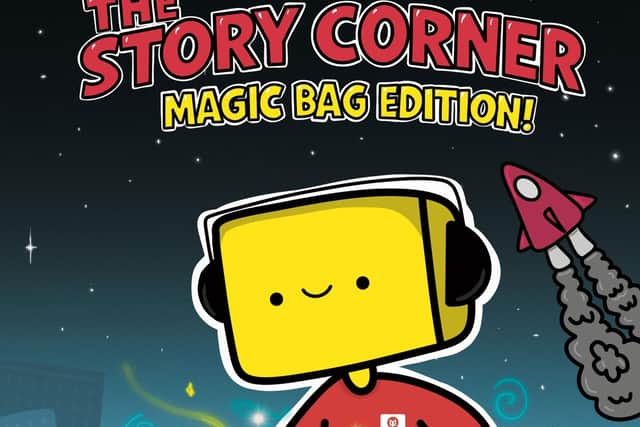
Lancashire-based illustrator Jay Stansfield, creator of children’s brand The Squibbles, has illustrated The Story Corner: The Magic Bag Edition, a full-colour graphic novel designed to inspire reading confidence among 6–9-year-olds. This special issue follows last year’s Mystery Map Edition, marking Jay’s second collaboration with Bookmark.
Despite being colour blind and unable to visualise scenes internally, Jay continues to build a thriving career in illustration, animation and narrative design. He hopes his story will encourage children to see creative potential in their differences.

Creativity Beyond Visual Imagination
Jay recently discovered he has aphantasia, which reshaped how he understands his creative process.
Jay explains:
“I don’t see pictures in my mind at all — it’s completely blank — and I see colour differently too. People often assume that would stop me being an illustrator, but creativity isn’t about having perfect pictures in your head. It’s about ideas, emotion and problem-solving. I want children to know they can create amazing things even if their brains work differently.”
Why Graphic Novels Work So Well for Children
Based on his lifelong connection with comics and his work with Bookmark, Jay highlights several reasons why graphic novels are such a powerful tool for young readers.
1. A gateway into reading
Graphic novels combine words and pictures in a way that feels friendly to children who might find dense text intimidating. Following a story visually helps them understand plot, emotion and character action, building confidence as they move through the pages.
2. Support for struggling or reluctant readers
The balance of imagery and small bursts of text makes reading feel manageable. Jay sees this format “take the pressure off” children who are overwhelmed by long paragraphs, helping them build skills gradually and enjoy the achievement of completing a story.
3. Inspiration for creativity
Jay encourages children to use the magazine as a springboard for drawing their own characters and comic strips. He explains that creativity doesn’t need to be perfect — one scene or one scribble is often enough “for the imagination to go”. This builds expressive confidence and ownership over their stories.
4. Encouraging creative thinking
Jay’s own creative process centres around simply making marks on a page and letting ideas grow. Graphic novels give children the freedom to imagine worlds, explore ideas, and experiment visually. This helps them understand narrative structure, emotion and pacing in a hands-on way.
5. Teaching character development
Through characters like Colin — who appears throughout Jay’s work — children learn that characters grow and change, just like people. Colin’s evolution from a daydreaming character to one who travels the world, even as a crocheted doll, shows children how stories expand over time.
A National Literacy Push Reaching 35,000 Children
The Magic Bag Edition is Bookmark’s largest single-title distribution to date, with 35,000 copies delivered directly into school book bags this autumn.
This special issue includes:
- A central adventure story featuring Colin and his magical rucksack
- Additional contributions from leading graphic novel artists and authors
- Interlinked mini-stories woven throughout the magazine
- A format proven to excite reluctant readers
Early teacher feedback indicates strong engagement, with many children reading the magazine cover-to-cover and sharing it with friends.
A Celebration of Difference, Creativity and Storytelling
Jay hopes this project encourages children to see reading and creativity as joyful, accessible and uniquely theirs.
“Imagination isn’t one size fits all. Some children think in pictures, others in sounds, movement, ideas or feelings. Graphic novels meet them where they are and show them that their way of thinking has value. That’s where confidence begins.”
You can read and download the magazine directly from the Bookmark Reading Charity website: https://issuu.com/bookmarkreading/docs/the_storycorner_2_-_magic_bag_edition
Visit The Squibbles website: https://thesquibbles.com