
Building Bridges: the positive legacy of Burnley's darkest days since disturbances
A quarter of a century after the Burnley disturbances, an organisation born out of one of the town's most difficult chapters is preparing for its next phase.
Building Bridges Burnley was established in the aftermath of the unrest that shook the town in 2001, with a mission to bring together people from different faiths, cultures and backgrounds.
Twenty-five years on, the organisation is marking its achievements with a major heritage project and a new community hub, while reflecting on the role it has played in helping to build a more connected and resilient Burnley.
At the heart of that transformation is Building Bridges Burnley, an interfaith organisation born directly from the tensions that erupted in the town. Founded by community, civic and faith leaders determined to prevent such divisions from taking hold again, the organisation has spent the last 25 years bringing people together through dialogue, education, shared experiences and community action.

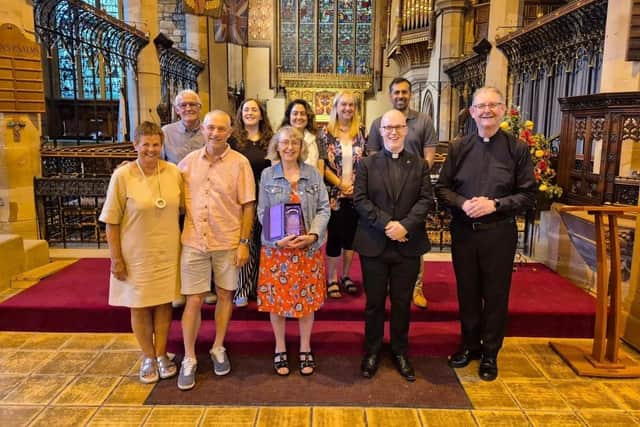
Today, its work has been recognised nationally through the King's Award for Voluntary Service – the highest honour bestowed upon volunteer groups in the UK – and many see it as a model for community cohesion both locally and beyond.
A wake-up call
For those involved in the organisation's beginnings, the disturbances served as a catalyst for change.
A group of local leaders came together with a shared belief that stronger relationships between communities offered the best route forward. What began as a response to crisis has evolved into a permanent fixture of Burnley's civic life.
The organisation has weathered funding cuts, austerity, social tensions elsewhere in the country and changing political landscapes, but its mission has remained constant: creating opportunities for people from different faiths, cultures and backgrounds to meet, understand one another and build lasting relationships.
Football, faith and friendship
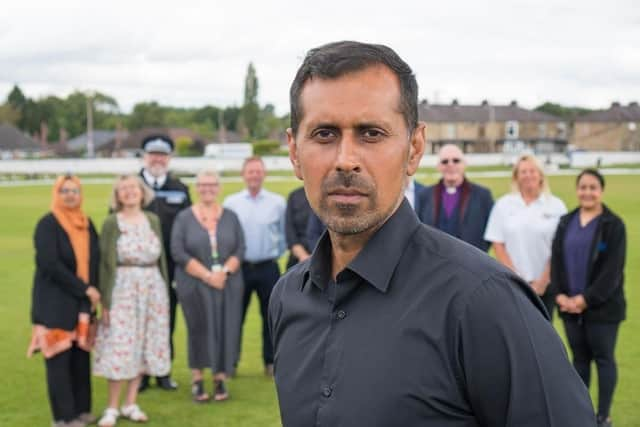
Among those who has witnessed the town's transformation first-hand is Afrasiab Anwar MBE, chairman of Building Bridges Burnley and Burnley's first Asian heritage Muslim council leader.
His involvement in community cohesion work began not in politics, but on a football pitch.
In 2002, he founded a youth football club in Daneshouse to give young people positive opportunities and a sense of belonging.
“I helped found a local football club in 2002 in order to meet the needs of the young people of the ward who had nothing to do and nowhere to go,” he said.
“As we are seeing now with the World Cup, football is a great unifier.
“It brings people together regardless of their background or the colour of their skin. The only colours that matter are the ones on their shirts.”
That belief in the power of sport has been central to Building Bridges Burnley's work over the years. The organisation has worked closely with Burnley Football Club, recognising that the club sits both physically and symbolically at the heart of the town.
From football tournaments to wider community projects, the club's influence has helped create opportunities for connection across traditional divides.
Investing in the next generation
Young people have always been a key focus of Building Bridges Burnley's work.
Partnerships with local schools have enabled interfaith education programmes to flourish, while collaborations with Burnley Youth Theatre have encouraged young people to tackle difficult topics through creativity and conversation.
One of the most notable projects, We Stand Together, brought together pupils from Blessed Trinity and Marsden Heights Community College. Through drama and film-making, participants explored issues including racism, hate crime, identity and extremism.
Laura Simpson, Head of Programmes at Burnley Youth Theatre, said the partnership had helped empower young people to become agents of positive change.
“We have worked in partnership with Building Bridges Burnley for many years and together have created impactful projects that celebrate differences and highlight similarities and shared values, empowering young people to make positive change,” she said.
“We are the creative facilitators and Building Bridges Burnley brings the expertise and knowledge on how to address some of the concerns of young people and how to have challenging conversations, so their voices are being heard and valued.”
Building trust, one conversation at a time
Over the years, Building Bridges Burnley has organised an extraordinary range of initiatives designed to bring people together.
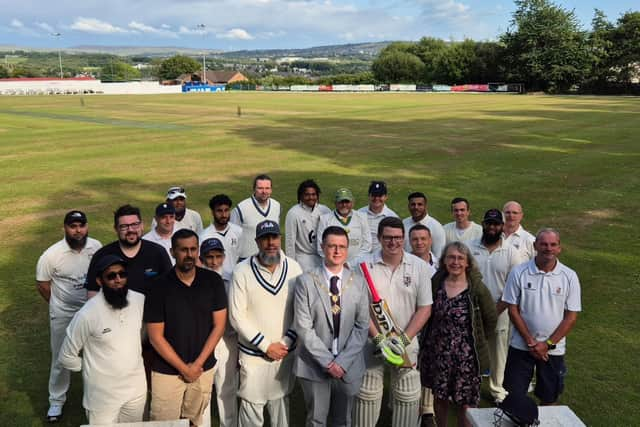
These include Church versus Mosque cricket matches, interfaith football tournaments, community iftars, faith walks, women's groups, school-based Faith Friends programmes, choirs, shared meals, summer events and educational visits.
While the events themselves may vary, the underlying principle remains the same: creating opportunities for meaningful interaction between people who might otherwise never meet.
Perhaps one of the most powerful examples of how attitudes have changed came during the Covid-19 pandemic.
Ghausia Mosque in Daneshouse, one of the locations associated with tensions during the disturbances, began collecting donations for a food bank based at West End Community Centre in a predominantly white area of the town.
For many involved, it was a tangible demonstration of how far Burnley had come.
Chris Keene, a trustee at West End Community Centre, believes Building Bridges Burnley has played a vital role in that journey.
“Burnley is blessed with a strong and vibrant voluntary, community and faith sector, which responds extremely effectively to the needs of our town and its diverse communities,” he said.
“Building Bridges Burnley was created in the wake of the disturbances in 2001 to bring people of faith and goodwill together, because this was sorely needed as a response to the attempts of extremists to create conflict and division.
“They played a crucial role in developing community cohesion at that challenging time and have continued to perform a pivotal role in bringing people together and promoting a sense of hope and positivity in Burnley.”
A different town
As community tensions continue to surface elsewhere in the country, many local leaders believe Burnley is better equipped than ever to respond.
Lisa Ross, Volunteering for Health Lancashire Lead at Lancashire Adult Learning and Community Voluntary Service and a creative community practitioner, has worked alongside Building Bridges Burnley for more than a decade.
“Building Bridges Burnley's impact reaches deeply into local communities of every background, bringing residents together through shared activities," she said.
“Creating this space for conversation, connection and the breaking down of barriers feels as essential now as it ever has been.”
Afrasiab believes the relationships built over the last quarter-century have made Burnley more resilient.
“The hard work during peace time has prepared us to face emerging challenges,” he said.
“We never take our eye off the ball and relationships across the town mean we deal with issues together.”
Looking ahead
As Building Bridges Burnley marks its own milestone anniversary, the organisation is also preparing for its next chapter.
Supported by funding from the National Lottery Heritage Fund, a new three-year project called Roots and Horizons will celebrate the organisation's achievements while preserving an important chapter of Burnley's history.
The project will create an accessible archive, record oral histories and produce a podcast documenting both the story of Building Bridges Burnley and the wider changes experienced by the town over the last 25 years.
A key part of the initiative will be the transformation of the Grade II-listed Canalside Building on Lindsay Street into a community and faith hub open to people of all faiths and none.
For an organisation born from one of the most difficult periods in Burnley's recent history, the project represents more than a look back.
It is a statement of confidence in the future.
Twenty-five years after the disturbances, Burnley's story is no longer simply one of division and unrest. Increasingly, it is a story of communities choosing dialogue over distrust, partnership over separation and hope over fear.
And for many of those who have spent the last quarter-century building bridges, that may be the most significant legacy of all.